A customer stands quietly in front of a fragrance counter.
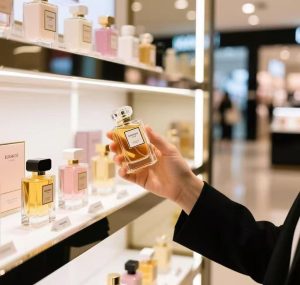
They have not smelled the perfume yet.
They have not read the brand story.
They have not checked the price.
They pick up the bottle.
In that brief moment — the weight in the hand, the cool surface of the glass, the way light refracts through its form — a decision begins to form.
For premium perfume brands, this moment matters more than advertising, slogans, or even the fragrance itself.
Because before a scent is experienced, it is judged.
And that judgment starts with the glass bottle.
This is why many premium brands choose to work with an experienced custom glass perfume bottle manufacturer rather than treating the bottle as a secondary decision.
1. Luxury Is Felt Before It Is Understood
Luxury does not announce itself.
It reveals itself quietly.
Premium perfume brands understand something fundamental about human behavior:
people feel quality long before they can explain it.
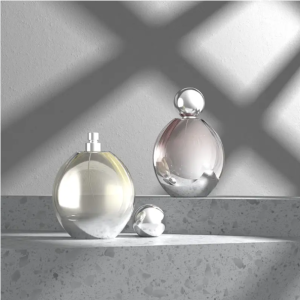
A well-made glass bottle communicates value instantly through:
Weight and balance
Surface smoothness
Structural precision
Visual clarity
Consumers may never consciously analyze these details, but their hands do.
And once a product feels expensive, the price feels justified.
This is why premium brands obsess over elements that never appear on a label:
How the bottle sits in the palm
Whether it feels grounded or hollow
How evenly the weight is distributed
Luxury is not shouted.
It is felt.
2. Why the Bottle Often Sells the Fragrance Before the Scent Does
In retail environments, time is limited.
Consumers rarely spend minutes evaluating a single fragrance.
They scan, they touch, they react.
The glass bottle acts as a silent salesperson:
It attracts attention
It signals positioning
It sets expectations
A fragrance presented in a heavy, crystal-clear bottle is assumed to be refined, carefully crafted, and premium — even before the first spray.
A lightweight or visually inconsistent bottle forces the fragrance to work harder to prove itself.
And in luxury, having to prove value is already a disadvantage.
3. When Two Bottles Look Similar — but Feel Completely Different
To the untrained eye, two perfume bottles may appear nearly identical.
These differences are clearly understood by any experienced luxury perfume bottle manufacturer working with premium fragrance brands.
Yet in the hand, they feel worlds apart.
The difference lies in details most consumers never name:
Uniform wall thickness
 Internal stress control
Glass density and purity
Precision at edges and corners
Premium brands know that consumers may not articulate these differences —
but they will sense them instantly.
Luxury lives in precision.
4. Weight, Balance, and the Psychology of Value
One of the most powerful psychological signals in perfume packaging is weight.
Heavier bottles are consistently perceived as:
More valuable
More stable
More intentional
Heavier bottles are consistently perceived as more valuable and stable.
A thick base glass perfume bottle often provides the balance and stability premium brands expect, helping the bottle feel grounded and confident in the hand.
This balance is rarely accidental — it is carefully engineered through wall thickness and base design.
Premium brands deliberately engineer:
Thicker bases
Optimized internal volume
Balanced centers of gravity
This is not about excess.
It is about confidence.
A bottle that feels substantial reassures the customer that nothing has been compromised — neither in packaging nor in fragrance.
5. Glass Quality as a Reflection of Brand Discipline
This level of control is essential when producing high-quality glass perfume bottles for premium fragrance brands.
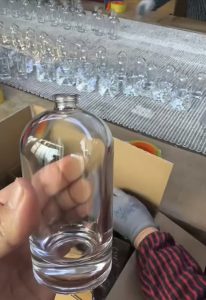
Premium perfume brands operate under a simple principle:
If the bottle shows compromise, the fragrance will be doubted.
This is why high-end brands impose strict standards on glass quality, including:
Glass Clarity
No bubbles
No haze
No visible impurities
Thickness Consistency
Uniform walls
Controlled base thickness
Stable visual proportions
Surface Precision
Smooth finishes
Clean transitions
Sharp definition for logos and edges
Under boutique lighting, even minor defects become magnified.
In luxury, perfection is not optional — it is expected.
6. The Hidden Risks of “Almost Good Enough” Glass
One of the most costly mistakes brands make is choosing glass that is almost right.
Problems rarely appear in samples.
They appear at scale.
Common consequences include:
Inconsistent spray performance
Micro-leakage over time
Rejected batches during filling
Visible defects under retail lighting
For premium brands, these issues are not operational inconveniences —
they are brand risks.
This is why experienced fragrance brands evaluate glass bottles not only for appearance, but for long-term performance and production stability.
7. The Bottle as a Silent Brand Signature
Some perfume bottles are recognizable even without a label.
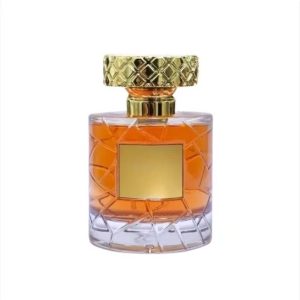
That recognition is intentional.
Premium brands design glass bottles to function as:
Visual signatures
Physical memories
Long-term brand assets
Glass allows for:
Deep embossing and debossing
Sharp architectural forms
Sculptural silhouettes that resist imitation
In luxury fragrance, the bottle often becomes as iconic as the scent itself — sometimes even more so.
8. Design Freedom Is Why Glass Remains Unmatched
Compared to alternative materials, glass offers unmatched design freedom.
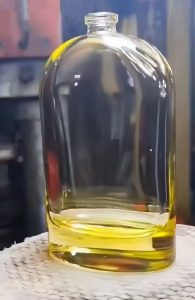
It supports:
Complex geometries
Crisp corners and defined edges
Thick bases and sculptural proportions
Advanced surface treatments
For premium brands, this freedom is essential.
Luxury is not standardized.
It is distinctive.
9. Why Premium Brands Involve Manufacturers Earlier Than You Think
Emerging brands often finalize designs before consulting manufacturers.
Premium brands do the opposite.
They involve experienced glass manufacturers early because they understand:
Not every design survives mass production
Mold engineering shapes final aesthetics
Consistency matters more than complexity
Luxury is not created in sketches alone.
It is engineered, tested, and refined.
10. Mold Engineering: Where Luxury Becomes Repeatable
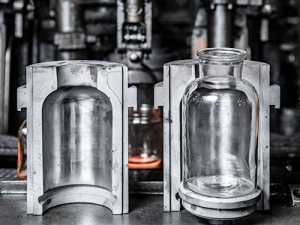
A premium perfume bottle must be beautiful once —
and identical thousands of times.
This is where mold engineering becomes critical.
High-end brands require:
Precision CNC-engraved molds
Tight dimensional tolerances
Controlled cooling and annealing
Mold quality determines:
Bottle symmetry
Logo sharpness
Long-term production consistency
Luxury fails the moment consistency is lost.
11. Quality Control as Brand Protection
Premium brands do not view quality control as a cost.
They view it as insurance.
Strict QC prevents:
Retail rejections
Consumer complaints
Brand erosion
This is why luxury fragrance packaging often involves:
Multiple visual inspections
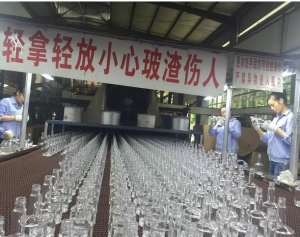
Dimensional verification
Controlled cosmetic standards
In luxury, one visible defect can undo years of brand building.
12. Performance Matters as Much as Appearance
A perfume bottle must function flawlessly.
Glass bottles must ensure:
Precise neck dimensions

Secure crimping
Leak-free sealing
Long-term fragrance stability
A bottle that looks beautiful but fails in performance is unacceptable in premium markets.
Luxury tolerates no excuses.
13. The Tactile Experience Builds Emotional Connection
Luxury is multisensory.
Glass delivers:
A cool, refined touch
A satisfying weight
A sense of permanence
These sensations reinforce emotional attachment and elevate the fragrance experience beyond scent alone.
Many premium brands design bottles to be handled slowly — encouraging appreciation rather than consumption.
14. Surface Treatments That Elevate Perception
Premium perfume bottles often feature advanced finishes:
Frosted or acid-etched glass
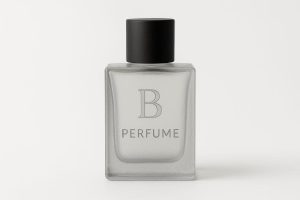
Gradient spray coatings
Metallic or electroplated accents
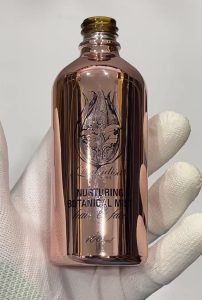
These finishes demand:
Stable glass quality
Consistent thickness
Controlled production environments
Only high-quality glass can support these treatments without defects.
15. Sustainability: The New Language of Luxury
Modern luxury consumers look beyond aesthetics.
They ask:
Is this recyclable?
Is it refillable?
Is the brand responsible?
Glass answers these questions naturally.
Premium brands increasingly view sustainability as:
A trust signal
A credibility marker
A long-term investment
Luxury today must be both beautiful and responsible.
16. Why Premium Bottles Are Rarely Thrown Away
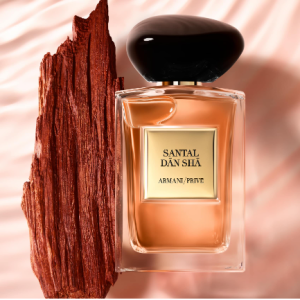
Unlike disposable packaging, premium perfume bottles often outlive the fragrance.
They are:
Displayed
Collected
Reused
Remembered
Long after the scent is gone, the bottle continues to represent the brand.
This is why premium brands design bottles not for consumption —
but for legacy.
17. Cost vs. Value: How Premium Brands Think Differently
Premium brands understand something critical:
The bottle is a one-time cost —
but brand perception lasts forever.
A higher investment in glass packaging often results in:
Stronger shelf impact
Fewer quality issues
Higher consumer trust
In luxury fragrance, packaging is not an expense.
It is an asset.
18. Common Mistakes Premium Brands Avoid
Experienced brands avoid:
Over-lightweight glass
Overly complex but unstable designs
Insufficient QC during scale-up
Choosing suppliers based on price alone
Luxury is fragile.
Once damaged, it is difficult to repair.
19. The Future of Premium Perfume Bottles
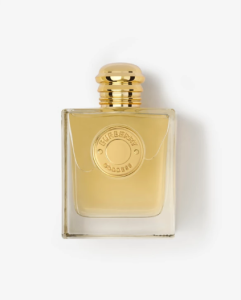
Looking ahead, premium perfume bottles will focus on:
Sustainable luxury
Refillable systems
Minimalist but bold forms
Extreme consistency at scale
Glass will remain central — not despite innovation, but because of it.
Conclusion: The Bottle Speaks Before the Scent Ever Does
For premium perfume brands, the glass bottle is not packaging.
It is:
The first impression
The silent persuader
The physical expression of trust
Before a fragrance is smelled, the bottle has already spoken.
And in the world of luxury, that first voice matters most
If you are developing a premium fragrance and would like to discuss your perfume bottle project, our team would be glad to support you.