Perfume is more than just a fragrance—it is an art form, a statement, and an experience. Every note, from top to base, is meticulously blended by perfumers to create a harmonious scent journey. However, fragrance longevity and quality are not determined solely by its ingredients. The container, particularly the material and design of the perfume bottle, plays a crucial role in protecting the delicate balance of aromatic compounds.
Among the most common perfume bottle materials, glass stands out as the premier choice. Unlike plastic, which may interact chemically with alcohol or essential oils, glass provides stability and a barrier against environmental factors. Even within glass bottles, variations exist: transparent, colored, and frosted designs each have unique characteristics that influence fragrance preservation, aesthetic appeal, and user experience.
This article explores the scientific, aesthetic, and practical aspects of different perfume bottle materials, focusing on how transparency, coloration, and frosted finishes impact the preservation of fragrance, while highlighting craftsmanship, brand examples, and maintenance tips for optimal use.
Perfume Composition and Light Sensitivity
To understand how bottles protect fragrance, it is essential to examine the composition of perfume. Typically, a perfume contains:
1. Alcohol – Acts as a carrier for aromatic compounds, allowing the scent to disperse evenly.
2. Essential Oils and Aroma Compounds – The core fragrance components, often volatile and sensitive to light, heat, and air.
3. Fixatives – Help stabilize volatile molecules and extend scent longevity.
Light’s Effect on Fragrance Molecules
Fragrance molecules are delicate. UV light and even visible light can trigger chemical reactions such as oxidation, causing some aromatic compounds to break down or transform into undesirable odors. For example:
Citrus top notes (bergamot, lemon) are highly susceptible to photodegradation.
Floral compounds like rose and jasmine can lose vibrancy when exposed to direct light.
Base notes, such as sandalwood or amber, are less reactive but still benefit from protection.
Excessive exposure to light accelerates evaporation,altering the balance of the perfume and reducing longevity. Therefore, light filtering through the bottle material is critical to maintain the original fragrance profile.
Transparent Perfume Bottles: Characteristics, Advantages, and Disadvantages
Transparent glass bottles are the most common and provide clarity and purity in presentation. They allow consumers to see the color, density, and clarity of the perfume inside—a factor that significantly influences purchasing decisions.

Advantages
Visual Appeal: The transparency showcases the fragrance’s color, enhancing consumer experience.
Material Purity: High-quality clear glass has minimal chemical interference, preserving fragrance molecules when paired with proper sealing.
Classic Aesthetic: Clear bottles are timeless, fitting both modern and traditional designs.
Disadvantages
Light Exposure: Transparent bottles allow full passage of light, including harmful UV rays, accelerating oxidation and fragrance degradation.
Temperature Sensitivity: Without color filtering, heat and light fluctuations have a greater impact on scent stability.
Storage Constraints: Transparent bottles require careful storage, ideally in boxes, drawers, or shaded shelves.
Best Usage Scenario
Transparent bottles are ideal for perfumes intended for short-term use or display, provided they are stored away from sunlight. Many mass-market perfumes use clear bottles for their aesthetic appeal and to highlight colored liquids.
Colored Perfume Bottles: Characteristics, Advantages, and Disadvantages
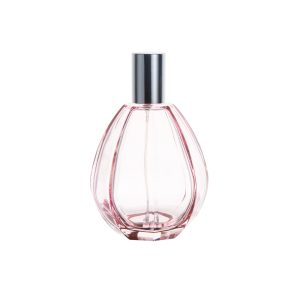
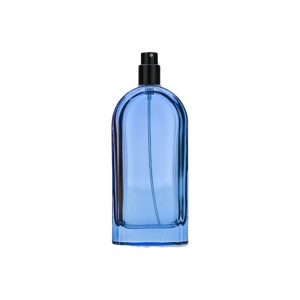
Colored glass bottles are often used in luxury and mid-to-high-end fragrances to combine light protection with branding appeal. Common colors include amber, cobalt blue, green, and smoky gray.
Advantages
Light Filtering: Colored glass absorbs or diffuses UV rays and some visible light, reducing photodegradation of sensitive molecules.
Fragrance Preservation: By limiting exposure, colored bottles help maintain top and heart notes longer.
Branding and Luxury Appeal: Colors can evoke emotions, support brand identity, and differentiate products visually on shelves.
Aesthetic Variety: Offers designers creative freedom to align packaging with fragrance identity.
Disadvantages
Visual Limitations: The perfume color is partially obscured, potentially affecting consumer perception.
Cost: Colored glass and specialized coatings can increase production expenses.
Weight: Some colored glass formulations are thicker, increasing shipping costs.
Scientific Reasoning for Fragrance Stability
Amber and darker-colored glass filter out UV light most effectively, while blues and greens selectively filter specific wavelengths. This prevents chemical breakdown of volatile compounds and maintains aroma integrity over time.
Frosted Perfume Bottles: Characteristics, Advantages, and Disadvantages
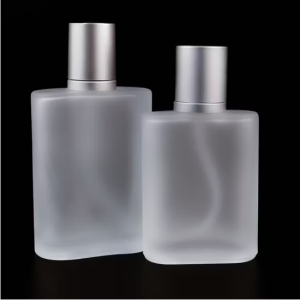
Frosted glass bottles are created by sandblasting, acid etching, or coating techniques, resulting in a matte, semi-opaque finish. They offer a blend of aesthetic sophistication and functional protection.
Advantages
Light Diffusion: Frosted surfaces scatter light, reducing direct penetration and photodegradation.
Luxury Feel: The matte finish feels premium and tactile, appealing to high-end markets.
Moderate Protection: Offers more protection than transparent bottles while retaining some visual appeal.
Disadvantages
Partial Obscurity: The perfume color is largely hidden, which may reduce visual display value.
Cleaning Difficulty: Frosted surfaces can retain fingerprints and require careful maintenance.
Optimal Use
Frosted bottles are best for medium-to-high-end perfumes intended for gifting or luxury branding, combining visual appeal with protective properties.
Combined Impact of Light and Temperature on Fragrance Preservation
Both light and temperature fluctuations accelerate fragrance degradation:
Temperature: Heat increases molecular motion, promoting evaporation and breakdown of sensitive top notes.
Light: UV and visible light trigger oxidation, altering scent balance.
Material Considerations
Transparent glass provides little protection—best for short-term or controlled storage.
Colored and frosted glass reduce light impact, extending perfume shelf life.
Thick-bottomed bottles add thermal mass, buffering rapid temperature changes.
Storage Recommendations
Keep perfumes in dark, cool, dry places.
Avoid bathroom storage due to humidity and temperature fluctuations.
Minimize exposure to sunlight, even with colored or frosted bottles.
Craftsmanship and Material Strategies for Preserving Fragrance
High-quality perfume bottles combine material choice with expert craftsmanship:
High-purity glass (high white content): Minimizes impurities that could react with perfume.
Thick-bottom designs: Provide thermal stability and prevent tipping.
Spray heads and caps: Ensure tight sealing to prevent air ingress.
Coatings and treatments: Frosting, coloring, or metallic coatings enhance protection.
These strategies ensure maximum fragrance longevity without sacrificing design aesthetics.
Brand Case Studies
Chanel N°5
Transparent glass with thick base, emphasizing purity and classic elegance.
Stored in a box to minimize light exposure.
Dior J’adore
Tall, slender bottle with golden accents.
Thick glass and subtle coloring protect fragrance while maintaining luxury feel.
Tom Ford Private Blend Series
Dark, colored glass bottles for limited editions.
Heavy, thick glass protects sensitive fragrance oils from light and temperature fluctuations.
These examples highlight how material, color, and design combine to preserve fragrance while enhancing brand identity.
Maintenance and Usage Tips
1. Storage: Dark, cool, dry places away from sunlight.
2. Minimize Exposure: Open bottles only when necessary to limit oxidation.
3. Spray Head Care: Clean occasionally to prevent clogging and evaporation.
4. Special Bottles: Frosted and colored bottles benefit from careful handling to preserve appearance and tactile quality.
Conclusion
Transparent, colored, and frosted perfume bottles each have unique characteristics affecting fragrance preservation, aesthetic appeal, and user experience.
Transparent bottles highlight the perfume visually but require careful storage.
Colored bottles provide superior protection against light while supporting branding.
Frosted bottles balance elegance and light diffusion, adding tactile luxury.
When selecting or designing perfume bottles, understanding the interplay between material, light, craftsmanship, and storage conditions is essential for maintaining fragrance integrity and creating a premium consumer experience.