Introduction: Why Surface Finishing Matters in Perfume Packaging
In the perfume industry, packaging is not just protection — it is communication.
Before a consumer experiences the fragrance itself, they are influenced by the visual appeal, texture, and perceived quality of the perfume bottle.
Among all packaging elements, surface finishing plays a decisive role in shaping:
- Brand positioning
- Shelf impact
- Perceived value
- Tactile experience
- Production cost and feasibility
Spray coating, electroplating, and baking paint are three of the most widely used surface finishing techniques for glass perfume bottles. Each offers unique advantages — and limitations.
This article provides a professional, in-depth comparison of these three processes, helping perfume brands, designers, and sourcing managers make informed decisions.
1. Overview of Common Perfume Bottle Surface Finishing Techniques
1.1 What Is Spray Coating?
Spray coating is a process where liquid paint or coating material is atomized and evenly applied to the surface of a glass bottle using spray guns. The coating is then air-dried or cured at low temperatures.
Typical effects:
- Solid colors
- Matte or glossy finishes
- Frosted or translucent appearance
- Gradient or multi-color effects
- Spray coating is one of the most flexible and cost-effective finishing methods in perfume packaging.
1.2 What Is Electroplating?
Electroplating is a surface treatment process that deposits a thin layer of metal (such as aluminum, chromium, nickel, or copper) onto the surface through electrochemical reactions.
For glass perfume bottles, electroplating usually requires:
- A base coating
- Conductive treatment
- Multiple plating stages
Typical effects:
- Mirror-like metallic finishes
- High-gloss luxury appearance
- Strong visual reflectivity
- Electroplating is often associated with premium and luxury fragrance brands.
1.3 What Is Baking Paint (Stoving Varnish)?
Baking paint involves applying a coating to the glass surface and then curing it at high temperatures in an industrial oven. This process enhances adhesion, durability, and chemical resistance.
Typical effects:
- Smooth, uniform color layers
- Strong adhesion
- High wear resistance
- Long-lasting color stability
- Baking paint is widely used for functional durability and long-term performance.
2. Visual Effect Comparison
Spray Coating: Creative Freedom and Color Versatility
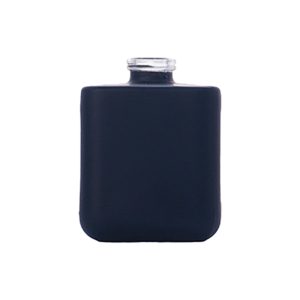
Spray coating allows brands to experiment with:
- Custom colors (Pantone matching)
- Gradient transitions
- Frosted or semi-transparent effects
- Soft-touch finishes
This makes it ideal for:
- Niche fragrance brands
- Seasonal collections
- Artistic or minimalist designs
However, spray-coated surfaces usually offer moderate gloss and reflectivity, rather than high-shine metallic effects.
Electroplating: Maximum Luxury and Metallic Impact
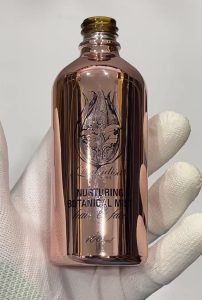
Electroplated perfume bottles deliver:
- High reflectivity
- Metallic textures
- Premium weight perception
- Jewelry-like appearance
Common finishes include:
- Chrome
- Gold
- Rose gold
- Gunmetal
- Mirror silver
Electroplating is visually striking but less flexible in color variation compared to spray coating.
Baking Paint: Clean, Solid, and Professional Appearance
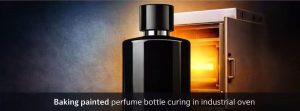
Baking paint produces:
- Even, saturated colors
- Consistent surface texture
- Strong visual stability
It is especially suitable for:
- Classic designs
- Long-term product lines
- Functional or pharmaceutical-style packaging
Compared to spray coating, baking paint looks more industrial and durable, but less artistic.
3. Durability and Performance
|
Property |
Spray Coating |
Electroplating |
Baking Paint |
|
Scratch Resistance |
Medium |
High |
Very High |
|
Adhesion |
Medium |
High |
Very High |
|
Chemical Resistance |
Medium |
High |
Very High |
|
Color Stability |
Medium |
High |
Very High |
|
Aging Resistance |
Medium |
High |
Excellent |
Electroplating and baking paint generally outperform spray coating in durability, especially for long shelf-life products and high-end retail environments.
4. Cost Structure and Production Complexity
Spray Coating: Lowest Cost, Fastest Turnaround
- Lower tooling and setup costs
- Suitable for small MOQ
- Fast production cycle
- Easy color changes
Best for: startups, test launches, limited editions
Electroplating: Highest Cost, Premium Positioning
- Complex process flow
- Higher labor and energy consumption
- Stricter quality control
- Higher defect risk
Best for: luxury brands, flagship products, statement designs
Baking Paint: Balanced Cost and Performance
- Moderate production cost
- Stable yield rate
- Suitable for mass production
- Lower rework risk
Best for: large-volume SKUs, long-term product lines
5. Environmental and Sustainability Considerations
Modern perfume brands increasingly prioritize sustainability.
Spray Coating
- Water-based coatings available
- Lower energy consumption
- Easier to optimize for eco-standards
Electroplating
- Higher environmental impact
- Requires wastewater treatment
- Increasingly regulated in many regions
Baking Paint
- High energy usage due to oven curing
- Long lifespan reduces replacement frequency
Choosing the right process often involves balancing aesthetic goals and environmental responsibility.
6. Typical Application Scenarios
When to Choose Spray Coating
- Custom colors or artistic designs
- Short product life cycles
- Budget-sensitive projects
- Niche or indie fragrance brands
When to Choose Electroplating
- Luxury positioning
- Statement packaging
- High retail visibility
- Middle Eastern or premium markets
When to Choose Baking Paint
- Functional durability
- Long-term SKUs
- Mass-market brands
- Strict quality requirements
7. Combining Multiple Surface Finishing Techniques
Many high-end perfume bottles combine multiple processes, such as:
- Spray coating + electroplated logo
- Baking paint + silk-screen printing
- Electroplated cap + frosted glass body
This hybrid approach allows brands to achieve both visual impact and durability.
8. How Manufacturers Ensure Quality Control
Professional perfume bottle manufacturers focus on:
- Adhesion testing
- Thickness consistency
- Color matching
- Environmental resistance tests
- Batch stability control
Reliable surface finishing is not only about appearance, but also about process control and manufacturing experience.
9. Choosing the Right Partner for Surface Finishing
When sourcing perfume bottles, brands should evaluate:
- In-house finishing capabilities
- Experience with multiple techniques
- Customization flexibility
- Quality inspection standards
- Compliance with international regulations
An experienced manufacturer can help optimize design, cost, and performance simultaneously.
Conclusion: There Is No “Best” Process — Only the Right One
Spray coating, electroplating, and baking paint each serve different design goals and brand strategies.
Spray coating offers creativity and flexibility
Electroplating delivers luxury and visual impact
Baking paint ensures durability and consistency
Understanding these differences enables brands to make smarter packaging decisions — and create perfume bottles that truly reflect their identity.