1. Introduction
The Middle Eastern perfume market has always been synonymous with luxury, opulence, and cultural sophistication. Known for its affinity for rich, long-lasting scents and high-end branding, the region represents a key global market for perfume manufacturers. In 2025, several trends have emerged that are shaping how perfume packaging is designed and perceived in the Middle East, blending traditional aesthetics with modern innovation and sustainability concerns.
Understanding these trends is crucial for perfume brands aiming to capture the attention of discerning Middle Eastern consumers. Packaging is no longer just a protective container—it is a statement of luxury, a storytelling tool, and a reflection of cultural values.
2. The Middle Eastern Perfume Market Overview
2.1 Market Size and Growth
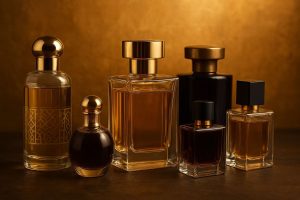
The Middle Eastern perfume industry is projected to continue growing at a steady CAGR, driven by luxury consumption in the UAE, Saudi Arabia, and Qatar.
Fragrance categories such as oud, attar, and oriental perfumes dominate, emphasizing the importance of culturally resonant packaging.
2.2 Consumer Preferences
Luxury Appeal: Consumers in the region prefer packaging that visually communicates exclusivity and premium quality.
Customization: Personalized bottles, limited editions, and bespoke engravings are highly valued.
Cultural Resonance: Geometric patterns, arabesque motifs, and calligraphy often feature on packaging to reflect heritage.
3. Key Packaging Trends in 2025
3.1 Premium Materials and Weight
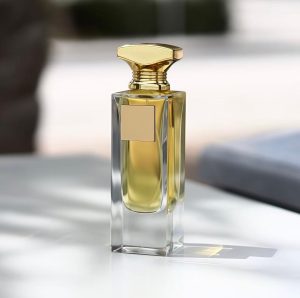
Heavy, thick glass bottles convey luxury.
Metal caps with electroplating in gold, rose gold, or silver are increasingly popular.
Materials like crystal glass and zirconia inlays add tactile and visual sophistication.
3.2 Minimalist Meets Ornate
While Middle Eastern consumers love opulence, there is a growing trend toward balanced minimalism:
Clean lines with selective ornate detailing.
Frosted or matte glass combined with metallic accents.
3.3 Sustainable Packaging
Rising awareness of environmental issues has led brands to adopt recycled glass bottles and biodegradable boxes.
Sustainable practices are highlighted on packaging itself to appeal to eco-conscious consumers.
3.4 Smart and Interactive Packaging
NFC-enabled labels or QR codes for authenticity and product storytelling.
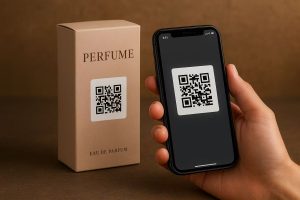
Perfume boxes that open in unique ways to enhance the unboxing experience.
3.5 Cultural Inspirations
Geometric Patterns: Derived from Islamic art, often laser-etched or printed.
Calligraphy: Arabic lettering embossed or foil-stamped on bottle surfaces.
Color Symbolism: Jewel tones such as emerald, sapphire, and ruby convey luxury and tradition.
4. Bottle Shape and Ergonomics
Tall, slender bottles remain popular, particularly for niche perfumes.
Square and cuboid shapes convey modernity, while rounded edges suggest elegance.
Ergonomic design ensures comfortable handling, crucial for high-value bottles.
5. Cap and Closure Innovations
Caps are not just functional—they are statement pieces:
CNC-machined metal caps: precise, reflective, and durable.
Electroplated finishes: rose gold, gold, or platinum tones.
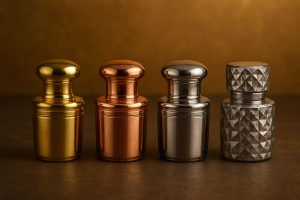
Soft-touch coatings: matte, velvety textures for a premium feel.
Magnetic closures: smooth opening and closing, enhancing user experience.
6. Decorative Techniques
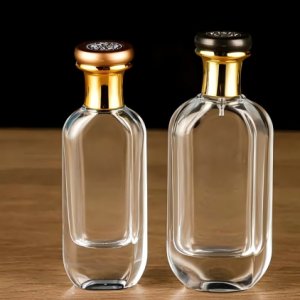
Engraving and Etching: Personalized logos, arabesque motifs, or text.
Foil Stamping and Hot Stamping: Metallic finishes for intricate patterns.
Screen Printing: Colorful designs for limited editions.
Gradient Sprays and Frosting: Subtle color transitions and matte finishes create depth.
7. Box and Secondary Packaging Trends
Rigid Boxes: Provide structure and a premium tactile experience.
Drawer-Style Boxes: Popular for high-end launches and gifting.
Magnetic Closures: Align with luxury expectations.
Textured Paper or Leatherette Finishes: Enhance tactile appeal.
Window Cutouts: Reveal the bottle elegantly without unboxing.
8. Sustainability and Eco-Friendly Initiatives
Recycled Glass: Upcycled bottles reduce environmental impact.
Refillable Designs: Brands offer refill bottles to reduce waste.
Biodegradable Packaging: Cardboard, paper, and plant-based inks are increasingly adopted.
Minimalist Packaging: Reducing unnecessary wrapping while maintaining visual appeal.
9. Branding and Storytelling Through Packaging
Packaging tells the brand story:
Heritage Emphasis: Using traditional patterns to convey legacy.
Modern Innovation: Combining high-tech production with cultural aesthetics.
Limited Editions: Numbered bottles, special motifs, and collaborative designs.
Brands invest heavily in packaging photography and online presentation to highlight luxury and exclusivity.
10. Case Studies of Successful Middle Eastern Perfume Packaging
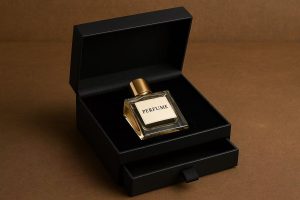
10.1 Oud-Based Luxury Brand
Heavy crystal glass bottle
Rose-gold CNC cap with laser-engraved Arabic calligraphy
Drawer-style box with magnetic closure and embossed geometric patterns
10.2 Niche Contemporary Brand
Frosted glass with gradient effect
Minimalist design with selective foil stamping
Refillable bottle with QR code for digital storytelling
10.3 Eco-Conscious Brand
Recycled glass bottle with frosted finish
Paper-based packaging with geometric embossing
Refillable perfume pods to reduce environmental footprint
11. Consumer Insights and Marketing Implications
Gift-Giving Culture: Packaging must impress visually; unboxing experience is critical.
Social Media Impact: Instagram-friendly packaging enhances brand visibility.
Price Perception: Heavier, more ornate packaging increases perceived value.
Customization Demand: Personalized and limited-edition packaging resonates strongly with HNWIs (high-net-worth individuals).
12. Future Outlook
Integration of Technology: Smart packaging will continue to grow, providing AR/VR experiences and anti-counterfeiting measures.
Sustainability as Core Strategy: Middle Eastern luxury consumers increasingly value eco-conscious brands.
Fusion of Minimalism and Opulence: Striking the balance between tradition and modern elegance will define 2026+ packaging trends.
Cross-Cultural Inspirations: Collaborations between Middle Eastern and European designers are likely to create hybrid luxury aesthetics.
13. Conclusion
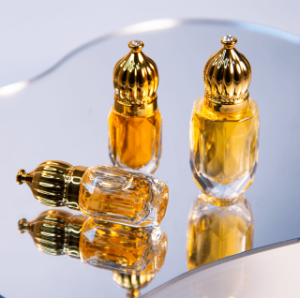
In 2025, Middle Eastern perfume packaging continues to blend luxury, cultural identity, and sustainability. Brands that leverage high-quality materials, intricate craftsmanship, and interactive packaging solutions will stand out in this competitive market. Understanding local consumer preferences, storytelling, and visual appeal is critical to success.
The future of perfume packaging in the Middle East will not only be about beauty but also about experience, sustainability, and digital engagement, reflecting both traditional elegance and modern innovation.