Perfume glass bottles are far more than mere containers—they are exquisite pieces of art that reflect a brand’s identity and the elegance of the fragrance within. From ordinary silica sand to crystal-clear, elegantly designed bottles, each perfume glass bottle undergoes a meticulous and intricate manufacturing process. The journey transforms simple raw materials into luxurious works of art, combining science, craftsmanship, and creativity.
In today’s highly competitive fragrance industry, the design and quality of a perfume glass bottle can influence a consumer’s first impression. The clarity, weight, shape, and finishing details can elevate the perceived value of the perfume, making the bottle a key marketing asset. From premium luxury brands to independent perfumers, understanding the process behind these bottles helps brands differentiate themselves in a crowded market.
This article provides a comprehensive look at how perfume glass bottles are made, highlighting every stage from raw material selection, melting and forming, surface finishing, accessory assembly, to sustainability trends and marketing strategies. Whether you are a fragrance brand looking to design your own bottles or an enthusiast interested in luxury perfume packaging, this guide offers insights into the artistry and technical precision behind crystal-clear perfume glass bottles.

Raw Materials: From Sand to Premium Glass
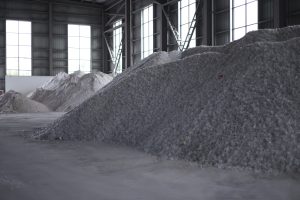
The foundation of any perfume glass bottle begins with high-quality silica sand, combined with other essential materials such as limestone, soda ash, and alumina. The proportions of these components determine the glass’s clarity, strength, and durability. High-purity silica is often referred to as high white material, prized for its ability to produce crystal-clear, flawless glass ideal for luxury bottles.
Additional additives, such as trace minerals or colorants, can subtly modify the hue of the glass. For instance, tiny amounts of iron oxide may create a slightly green tint, while cobalt can produce a soft blue tone. Many high-end brands prefer eco-friendly or recycled glass, which reduces environmental impact while maintaining high quality.
Quality control is critical at this stage. Raw materials are carefully inspected to remove impurities such as pebbles, dust, or other contaminants that could create bubbles or imperfections in the final bottle. The purity of the sand and other ingredients directly affects transparency, brilliance, and the overall aesthetic of the finished perfume glass bottle.
Melting and Forming Process
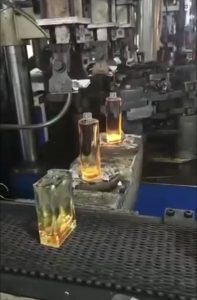
Once raw materials are prepared, they are melted in a furnace at temperatures around 1500°C, producing molten glass. The molten glass must be heated until completely uniform to avoid imperfections. During melting, manufacturers carefully control temperature, composition, and timing to achieve the desired viscosity and clarity.
Shaping Techniques
Several forming techniques are employed to produce different bottle shapes:
1. Blow Molding – Air is blown into molten glass to create hollow bottles, typically cylindrical or rounded. This method is widely used for standard perfume bottles.
2. Press Molding – Molten glass is pressed into molds to form square, rectangular, or hexagonal bottles. This technique allows precise control over dimensions and symmetry.
3. Injection Molding and Casting – For intricate custom designs, molds are used to produce artistic or highly detailed bottles.
During this stage, designers can incorporate colored glass, frosted effects, or gradient finishes, enhancing the visual appeal and aligning with brand identity. The choice of bottle shape—round, square, hexagonal, or bespoke artistic form—can influence consumer perception and shelf presence.
Color,Texture,and Creative Effects
Advanced techniques allow for:
Frosted or sandblasted finishes for a modern aesthetic.
Gradient or tinted glass to evoke brand themes.
Prism or reflective surfaces for visual luxury.
Artistic and bespoke designs that create signature bottles.
Independent perfume brands increasingly use custom colors and textures to differentiate their products and create a unique market presence.
Annealing and Surface Treatment
After forming, bottles undergo annealing, a controlled cooling process that relieves internal stress and prevents cracks or fractures. Proper annealing is critical for durability and ensures bottles withstand handling, shipping, and filling processes.
Surface Finishing Techniques
Once annealed, bottles are polished, treated, or decorated using:
Polishing: Smooths the surface and enhances brilliance.
Sandblasting/Frosting: Adds texture and soft visual appeal.
Engraving or Silk-Screen Printing: Provides branding space and decorative patterns.
UV Coating or Lacquering: Protects the bottle while enhancing shine.
The surface finish contributes to perceived luxury. For example, a frosted bottle with a gold-engraved logo often conveys elegance and exclusivity.
Accessories and Final Assembly
After the glass bottle is finished, manufacturers add caps, sprayers, and decorative elements**:
Caps: Metallic finishes (gold, silver, rose-gold), lacquered, or custom-painted.
Sprayers: High-precision mechanisms ensure consistent fragrance delivery.
Decorative Details: Crystal, engraving, or bespoke embellishments.
The combination of bottle and accessories completes the **brand’s visual story**. Luxury brands often experiment with intricate caps and sprays, aligning the bottle’s aesthetic with the perfume’s scent profile.
Sustainability and Industry Trends
Sustainability is increasingly central to perfume bottle production:
Recycled glass reduces raw material use and energy consumption.
Refillable bottles promote reuse and reduce waste.
Eco-friendly coatings maintain clarity while minimizing chemical impact.
Market Trends
Europe, North America, and the Middle East show growing demand for luxury eco-conscious perfume bottles.
Independent brands leverage sustainable bottles to appeal to environmentally aware consumers.
Glass innovation focuses on durability, lightweight design, and recyclability.
Conclusion
From ordinary sand to crystal-clear perfume glass bottles, every step—from raw material selection, melting, forming, surface finishing, accessory assembly, to sustainability innovation—reflects craftsmanship and artistry. A well-crafted perfume glass bottle is more than a container; it is a symbol of luxury, elegance, and brand identity.
For fragrance brands looking to stand out, investing in high-quality, custom perfume glass bottles can create a lasting impression and elevate perceived value